


Cats are picky, but sometimes curiosity wins out. That's why incompatible foods, poisonous plants, cleaning agents and medicines should be kept out of their reach. We explain what you should look out for.
Dangers in the household
Many cat owners are unaware of the dangers lurking for their pets in the house and garden. Fortunately, cats are by nature relatively cautious and skeptical of new things at first and don't try everything they can get their hands on straight away. But sometimes curiosity gets the better of them and they may grab a piece of chocolate on the living room table, try leftover food in the saucepan or from the table, slurp up a glass of milk, nibble on tulips or drink the water in the saucer of a fertilized plant. The cat may not notice a small amount, but serious health problems can just as easily be the result. It is therefore important to be aware of incompatible or even poisonous foods and other sources of danger and to protect your cat from them. Our list shows what you should look out for.
Incompatible foods and drinks
- Chocolate
Do not leave an open chocolate bar or box of chocolates unattended on the table. Eating them can lead to vomiting and diarrhea. The higher the cocoa content, the greater the risk. - Dairy products
Young kittens produce the enzyme lactase in their bodies. This enables them to break down the milk sugar (= lactose) in their mother's milk. They therefore have no problem consuming cow's milk, yoghurt, quark and cheese. Adult animals, on the other hand, hardly produce any lactase. After ingesting these products, there is therefore a risk that they will react with digestive disorders such as diarrhea due to the undegraded lactose, which has a laxative effect. - Eggs
Boiled eggs are not unhealthy for cats, but raw eggs should not end up in the bowl. They contain the substance "avidin". This can lead to a biotin deficiency, which has a negative effect on metabolic processes. - Bread
Bread usually consists largely of grain. However, cats are pure carnivores and only produce a small amount of enzymes that digest vegetable carbohydrates. Excessive intake leads to digestive disorders and therefore has a negative impact on health. - Onions and garlic
Onions and garlic contain sulphur compounds that destroy red blood cells and can therefore have a negative effect on oxygen transport in the blood. Therefore, do not use these foods to ward off parasites or with the intention of improving your pet's health. - Leftovers
Our food is usually seasoned. This can put a strain on the cat's kidneys. Excessive intake of table salt can lead to poisoning. Raw or undercooked pork can lead to a fatal Aujeszky's virus infection. - Vegetables and nightshade plants
If you want to cook or bark your own food, you should make sure that the proportion of vegetables is very low (less than 5 percent). Large pieces should be avoided. Everything should be pureed or very finely chopped. It is also important that nightshade vegetables such as potatoes, peppers and tomatoes are cooked. When raw, they cause severe digestive problems. Avocados are generally poisonous. - Fruit
Fruit is healthy for us, but cats do not need it in any way for a species-appropriate diet. It is best to avoid fruit, as it contains high amounts of fructose. Grapes are also poisonous and can lead to kidney failure.
Toxic plants
Cats are known to be carnivores, but many like to nibble on cat grass. It is good for their digestion and makes it easier for them to regurgitate hair swallowed during grooming. It should therefore not be missing from any cat household. Otherwise, they may be all the more likely to eat other plants that could be intolerable and poisonous to them:
- Orchids
They are still one of many people's favorite plants. However, they are only recommended to a limited extent in a cat household, as they are poisonous. - Tulips
They are welcome plants both in the garden and on the dining table. If you have curious cats, it is better to avoid them, as eating them irritates the cat's mucous membranes and leads to kidney failure. - Dragon tree
This popular houseplant produces so-called saponins to ward off predators. These are poisonous and cause symptoms of poisoning such as vomiting, diarrhea and tremors when the leaves are nibbled. - Triangular spurge
The columnar cactus-like plant could be used by cats as a substitute for a scratching post. However, it exudes milky sap, which causes changes to the skin and is poisonous when ingested. - Window leaf
The plant consists of large, split leaves. Some cats may well be tempted to nibble on them. However, this can lead to difficulty swallowing and increased salivation. - Poinsettia
This popular plant belongs to the spurge family and contains a poisonous milky sap. Cats can react to it with cramps and tremors. - Other plant species
Not only the plants mentioned above are poisonous to cats. There are many others, such as ivy, daffodils, rubber tree, aloe vera, lilies, cyclamen, birch fig and palm fern.
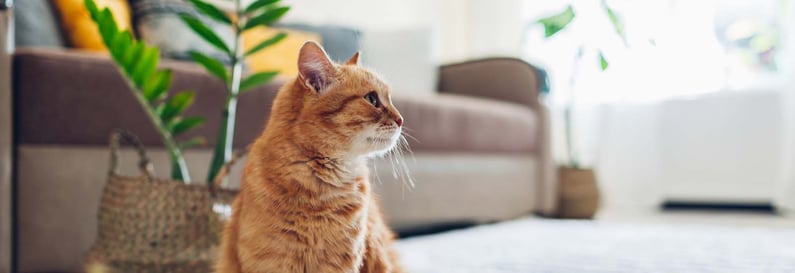
Poisonous plants in the house and garden
- Plant protection products
If everything is thriving wonderfully, we usually don't even think about using any pesticides. However, if a plant is dying, is infested with insects or weeds are sprouting unchecked, we may resort to fertilizers, pesticides or weed killers. Make sure that these are animal-friendly or try to avoid using them. - Medication
Do not leave any tablets lying around. The cat may feel like playing with them and could accidentally swallow one. This could have unexpected consequences. - Cleaning agents
Many different cleaning products are used in a household - including washing powder, floor cleaner and washing-up liquid. Cats generally give them a wide berth, but you never know. That's why they should always be locked up and locked away.
What should you do if your cat shows signs of poisoning?
If you have observed your cat eating something incompatible or poisonous, or if you suspect this, the main question is how much. A small amount is almost always harmless. However, if half a bar of chocolate is missing, if it has eaten tablets or has come into contact with a poisonous pesticide, then you should keep a close eye on your cat and take it to the vet immediately if it shows the slightest signs of poisoning such as vomiting, trembling or convulsions.
Take the eaten food or plants with you. The vet will be able to determine the amount ingested. Do not wait any longer and do not resort to any home remedies. The vet will examine the cat and can, for example, perform a gastric lavage or stabilize its circulation.